Team VITAM.BIO
The research group investigating the microbiota across histology, neuroscience and immunology.
The scientific engine of VITAM.BIO
The VITAM.BIO team studies how the microbiota influences health, the brain and the immune system. Led by Prof. Paolo Fabene, we integrate histology, neuroscience and immunology with imaging methods and molecular analysis. We investigate the gut–brain axis, the effects of diet and drugs, and the mechanisms of inflammation.
We work with bioinformatics tools and omics data to build reliable predictive models. From the lab to the clinic, we identify biomarkers useful for prevention, early diagnosis and targeted therapies. We maintain rigorous standards of quality, ethics and reproducibility, and continually update our protocols. We turn complex results into clear guidance for professionals and citizens.
Prof. Paolo Fabene defines the research directions and fosters a culture of verifiable data.
We collaborate with other research units and external partners on translational projects. Our goal: to make the science of the microbiota a concrete help for well-being.
Scientific publications on histology, neuroscience and the microbiota.
Year of the landmark Nature Medicine study linking inflammation and epilepsy.
Scientific citations of Prof. Paolo Fabene's research worldwide.
Of academic activity and research in histology and neuroscience.
The people behind the research
Edoardo Parrella
Associate Professor of Histology
He graduated in Pharmaceutical Chemistry and Technology at the University of Genoa and earned a PhD in Biomedical Sciences and Translational Medicine — Neuroscience curriculum at the University of Brescia. He worked as a Research Fellow at the «Mario Negri» Institute for Pharmacological Research in Milan and at the University of Brescia, and as a Research Associate at the University of Southern California (USC) in Los Angeles, California, United States. He is currently Associate Professor of Histology at UniCamillus and a research collaborator at the University of Verona.
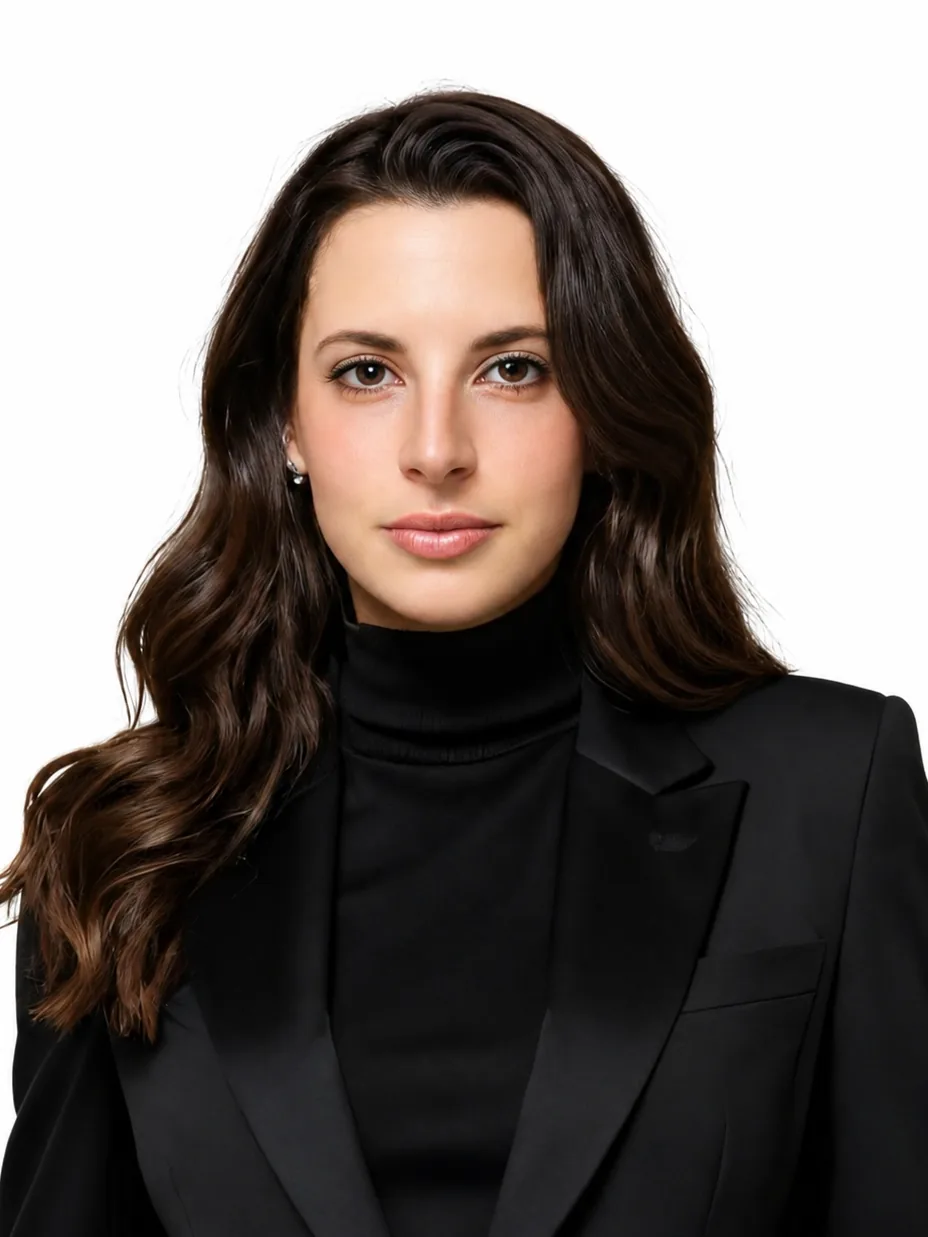
Valentina Salari
Postdoctoral Researcher
She graduated in Biology at the University of Milano-Bicocca, earned a Master's degree in Neurobiology at the University of Pavia and a PhD in Neuroscience at the University of Verona. During her training she carried out research periods at the microbiota laboratory of Prof. Axel Kornerup Hansen (Copenhagen, Denmark) and at the Royal College of Surgeons in Ireland (Dublin, Ireland). She holds a Marie Skłodowska-Curie postdoctoral fellowship at the FutureNeuro Research Ireland Centre for Translational Brain Science (Dublin, Ireland).
Francesca Mengoni
Postdoctoral Researcher
She graduated in Medical and Pharmaceutical Biotechnology at the University of Florence, and earned a Master's degree in Molecular and Medical Biotechnology and a PhD in Neuroscience at the University of Verona. During her doctorate she spent a research period as a Visiting PhD Student at Stanford University (Stanford, California, United States). She is currently a Postdoctoral Fellow at the University of California (Berkeley, California, United States).
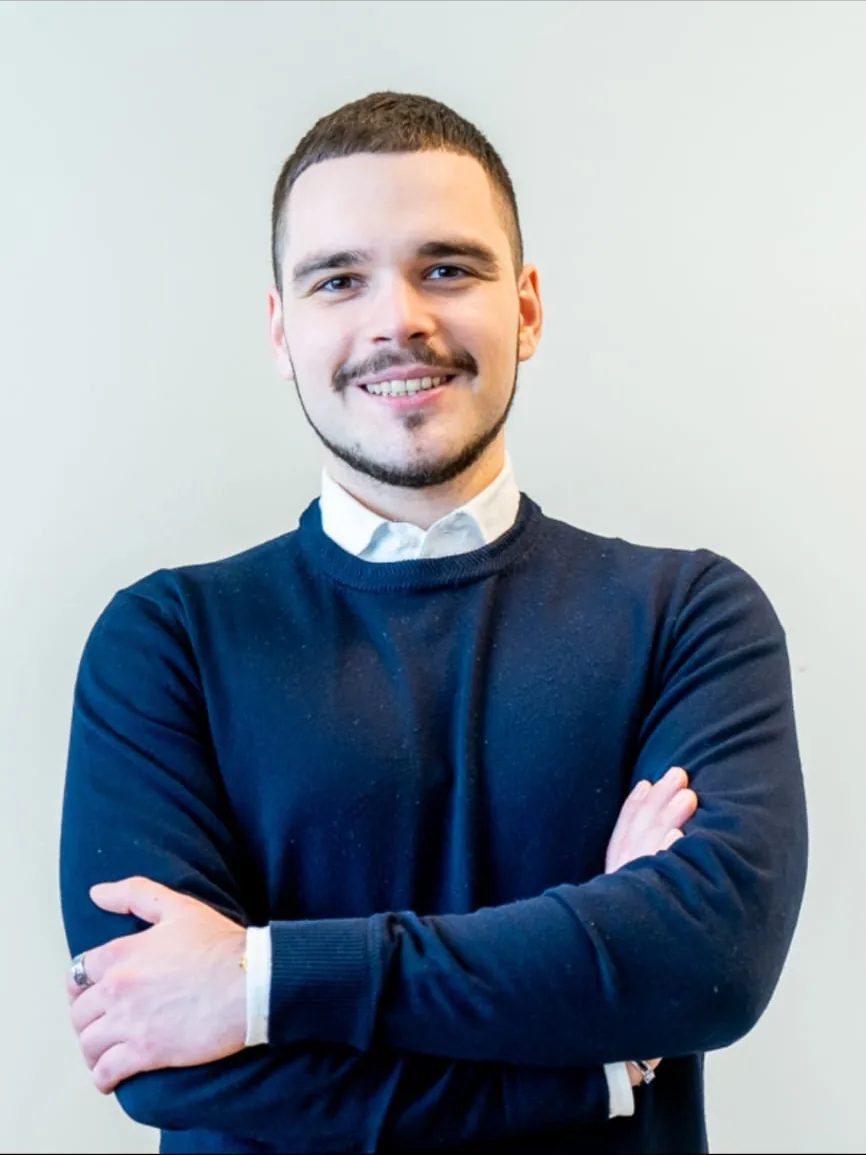
Tarcisio Michele Tampu
PhD Student
He graduated in Biotechnology at the University of Verona, where he also earned a Master's degree in Molecular and Medical Biotechnology. He subsequently worked as a Research Assistant at the Anatomy and Histology Section of the University of Verona. He is currently a PhD student in neuroscience under the supervision of Prof. Fabene.
Featured coverage
In recent years, research on the microbiota–brain relationship led (or co-authored) by Prof. Paolo Fabene and the research team has drawn attention from sector publications and portals. Here is a selection of citations and articles that present our findings in an accessible way.