VITAM.BIO
The science of the microbiota, from the gut to the brain.
What is VITAM.BIO?
VITAM.BIO is a research project studying the microbiota and its impact on the brain, immunity and metabolism, with the goal of turning research into tangible well-being. We focus in particular on the gut–brain axis, on how diet and lifestyle shape the microbes that inhabit our body, and on how they influence prevention and health.
The project is led by Prof. Paolo Fabene, a professor and neuroscientist internationally recognised for his work on neuroimmunology and epilepsy, author of numerous publications and a driving force behind research connecting the microbiota and neurological function.
With VITAM.BIO we aim to make complex topics understandable and to offer practical tools for improving quality of life, grounded in solid scientific evidence.
Scientific publications on histology, neuroscience and the microbiota.
Year of the landmark Nature Medicine study linking inflammation and epilepsy.
Scientific citations of Prof. Paolo Fabene's research worldwide.
Of academic activity and research in histology and neuroscience.
A team of excellence for research
Histology, neuroscience and immunology working together, under the guidance of Prof. Paolo Fabene.
Edoardo Parrella
Associate Professor of Histology
He graduated in Pharmaceutical Chemistry and Technology at the University of Genoa and earned a PhD in Biomedical Sciences and Translational Medicine — Neuroscience curriculum at the University of Brescia.

Valentina Salari
Postdoctoral Researcher
She graduated in Biology at the University of Milano-Bicocca, earned a Master's degree in Neurobiology at the University of Pavia and a PhD in Neuroscience at the University of Verona.
Francesca Mengoni
Postdoctoral Researcher
She graduated in Medical and Pharmaceutical Biotechnology at the University of Florence, and earned a Master's degree in Molecular and Medical Biotechnology and a PhD in Neuroscience at the University of Verona.
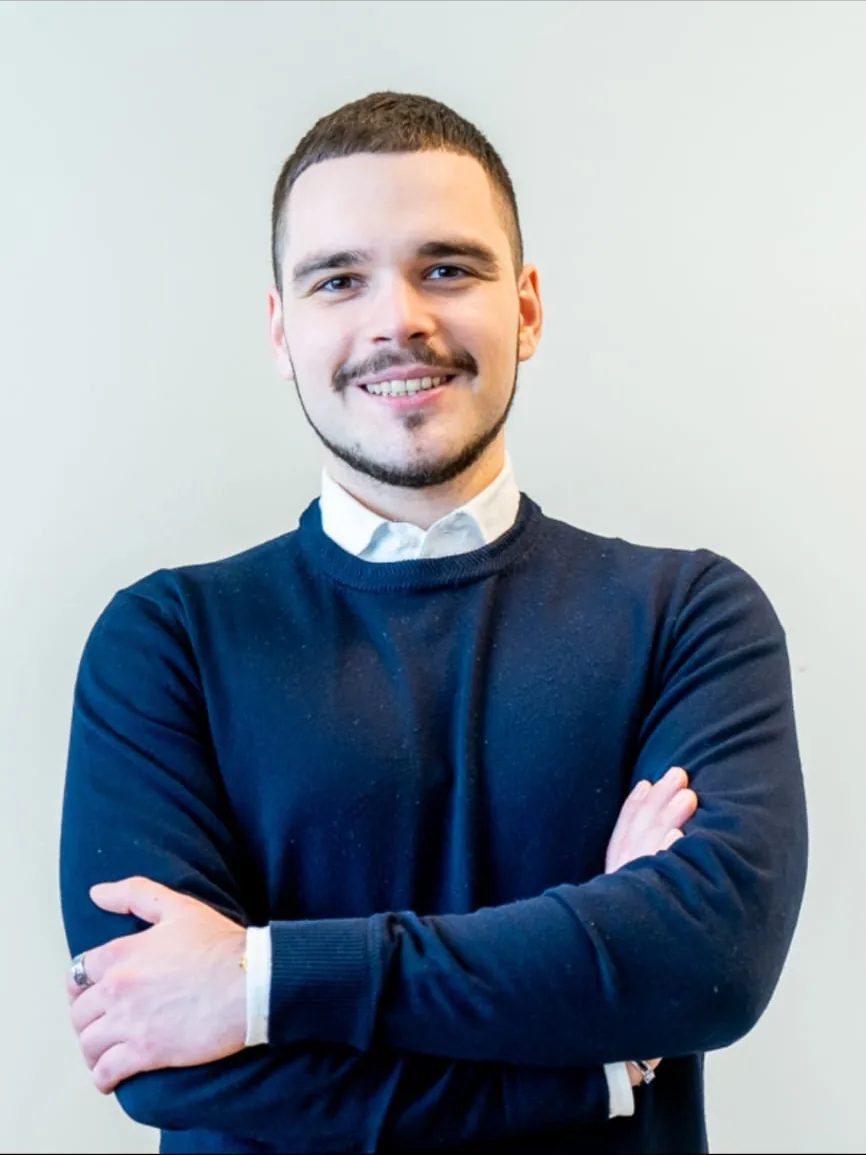
Tarcisio Michele Tampu
PhD Student
He graduated in Biotechnology at the University of Verona, where he also earned a Master's degree in Molecular and Medical Biotechnology.
Featured coverage
In recent years, research on the microbiota–brain relationship led (or co-authored) by Prof. Paolo Fabene and the research team has drawn attention from sector publications and portals. Here is a selection of citations and articles that present our findings in an accessible way.